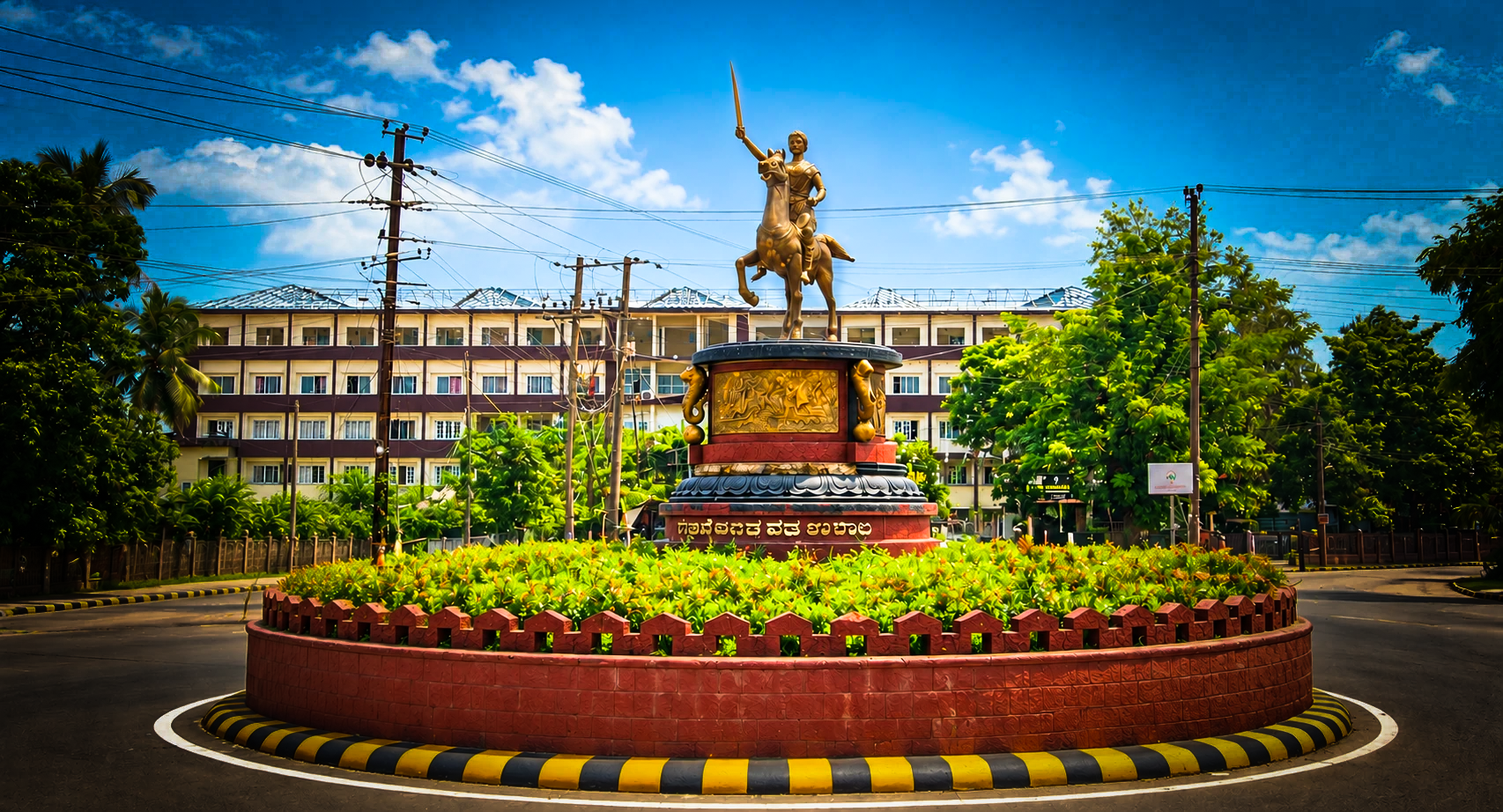
THE QUEEN OF ULLAL
Rani Abbakka Chowta
Experience the Untold Story of India’s Fearless Warrior Queen who fought the Portuguese and defeated them
Plan a VisitDefeating the Mighty
Portuguese, Twice
Portuguese, Twice
Experience the Untold Story of India’s Fearless Warrior Queen who fought the Portuguese and defeated them
Plan a VisitMonday to Saturday
10:00 AM to 5:00 PM
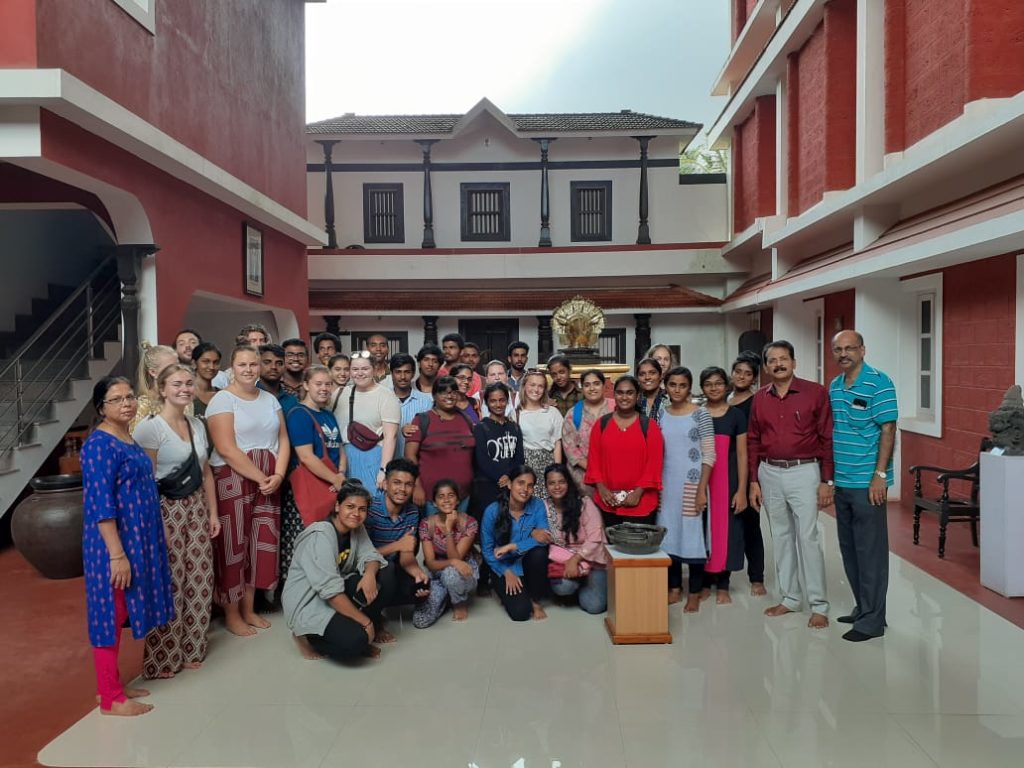
Rani Abbakka Tulu Museum, Sanchayagiri B.C Road, Bantwal Karnataka, India 574219
Open LocationMonday to Saturday
10:00 AM to 5:00 PM
Group tours available by prior booking
Birth & Matrilineal Lineage - Born into the Jain Chowta dynasty of coastal Karnataka. She belonged to the Aliyasantana, a matrilineal system of succession, through which she inherited the throne of Ullal.
Warfare Training & Administration - Raised under the guidance of her maternal uncle, Tirumala Raya, she was trained in archery, sword fighting, horse riding and military strategy, and also learned administration and the responsibilities of a ruler.
Strategic Marriage & Independence - She married Lakshmappa Arasa, ruler of the Banga kingdom, strengthening a political alliance. After the marriage ended, Abbakka returned to Ullal and continued to rule independently; her estranged husband eventually allied with the Portuguese against her.
Portuguese Resistance - Abbakka refused to pay tribute or surrender control of important trade routes, successfully resisting the Portuguese attack led by Dom Álvaro da Silveira. Her victory established her reputation as a fearless warrior queen.
Alliances & Lasting Legacy - She joined forces with regional powers, including the Zamorin of Calicut and the Bijapur Sultanate. Together, they resisted further Portuguese expansion along the coast, and Abbakka became celebrated as "Abhaya Rani" - the Fearless Queen.
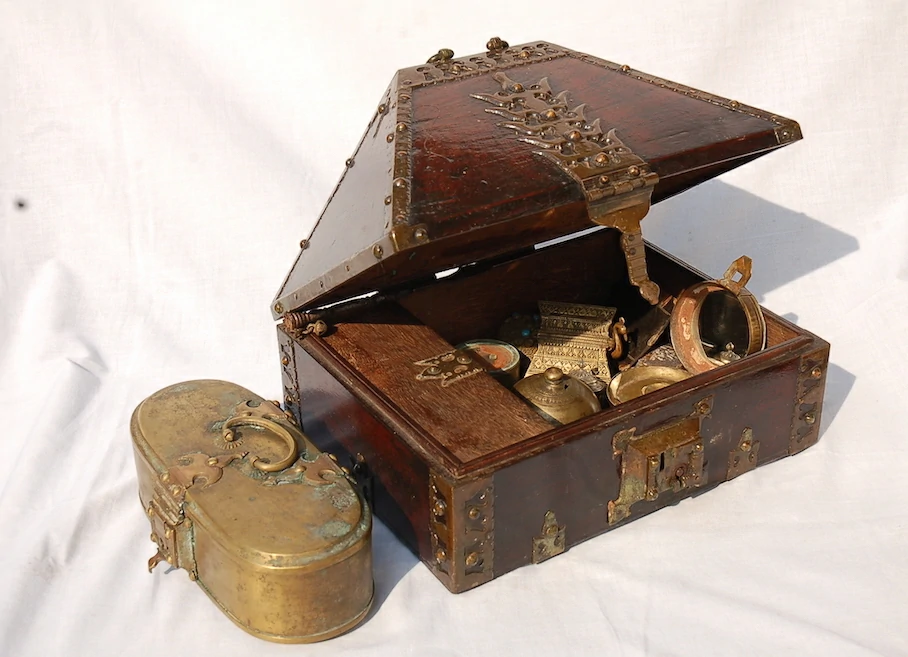
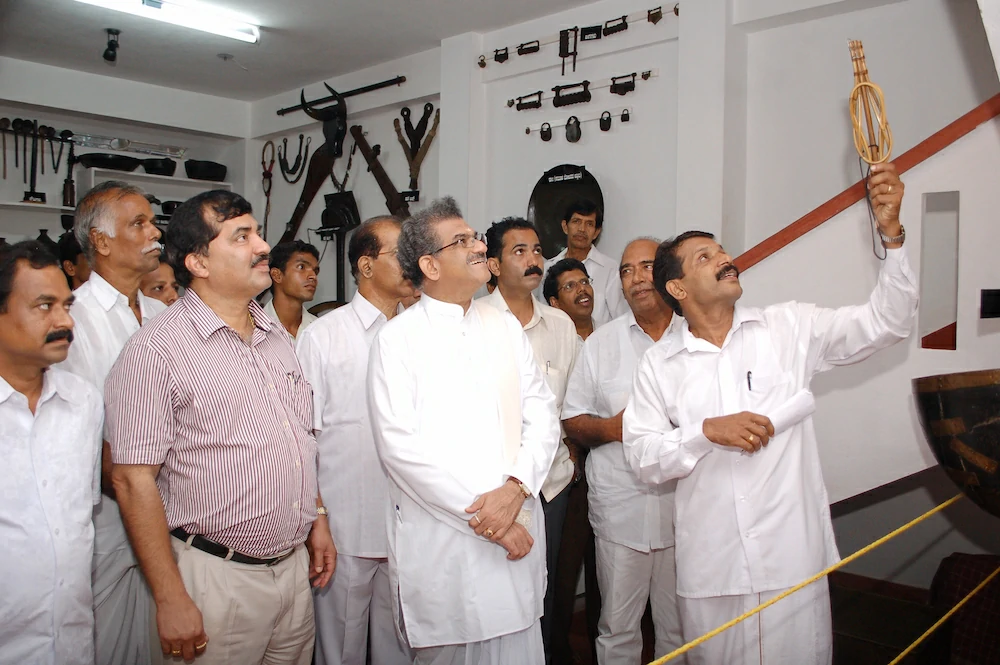
A small selection from our halls - click any frame for a closer look.